A beautiful kitchen design needs a careful translation into the cabinets that actually get built. Before an order moves into production, we look closely at how the drawings, specifications, and manufacturer’s acknowledgment fit together.
You may never want to read a cabinet order line by line. That is understandable. You hired a design team to help turn your ideas into a room that works. Part of that job happens behind the scenes, in details that are easy to overlook on a rendering.
At Bath Plus Kitchen, our experience with framed inset and frameless cabinetry helps us ask the right questions about those details. We use AI-assisted cross-checking to support the review, and experienced human judgment to interpret what it finds, identify what it misses, and coordinate the decisions.
What is a cabinet acknowledgment?
A manufacturer’s acknowledgment records how the supplier has entered an order: the cabinet items, sizes, construction, finishes, modifications, and other specified details. Depending on the supplier and stage of the order, separate detail drawings or approvals may also be required.
It deserves its own review. An approved kitchen layout expresses the design intent; the acknowledgment describes what the manufacturer has recorded. Our goal is to make sure the two tell the same story before release to production.
That review is different from comparing cabinet quotes. Comparing quotes helps you understand the proposed purchase. Reviewing the order checks how the chosen design has been translated into specific components.
Why getting the order right matters
Ordering and delivery have a measurable effect on the customer experience. In its 2016 Kitchen Cabinet Satisfaction Study, J.D. Power surveyed 2,074 purchasers. Customers whose cabinets arrived as ordered reported satisfaction of 814 on a 1,000-point scale, compared with 714 among those whose delivery did not match the order.
That historical study measures satisfaction; it does not establish how often today’s custom cabinet orders require replacements. The practical lesson is straightforward: checking the details before production deserves as much attention as choosing the look of the kitchen.
1. The current design, down to the door details
We start with the current drawing revision and approved selections. Cabinet dimensions and locations matter, but so do door proportions, drawer arrangements, exposed ends, and how adjoining pieces meet.
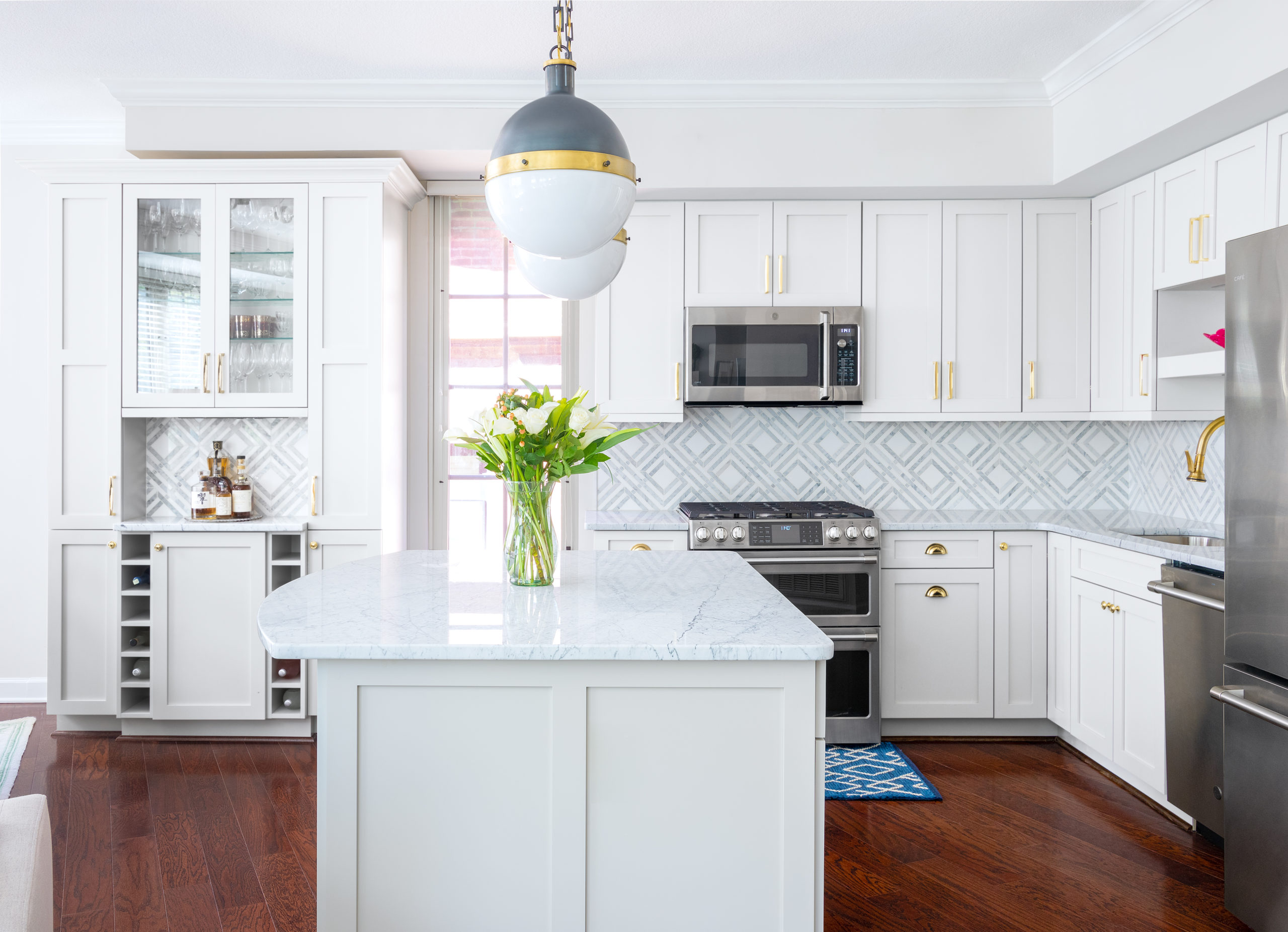
For example, “Shaker” describes a door style without answering every design question. A tall door might have a single panel or a horizontal rail that divides it into two panels. Those choices can change the appearance of an entire wall. The order needs to reflect the intended arrangement and any manufacturer restrictions that apply.
2. The differences between inset and frameless cabinetry
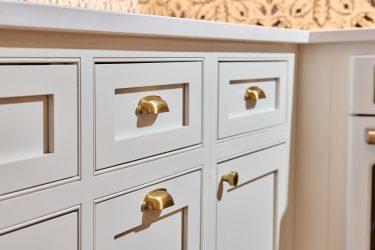
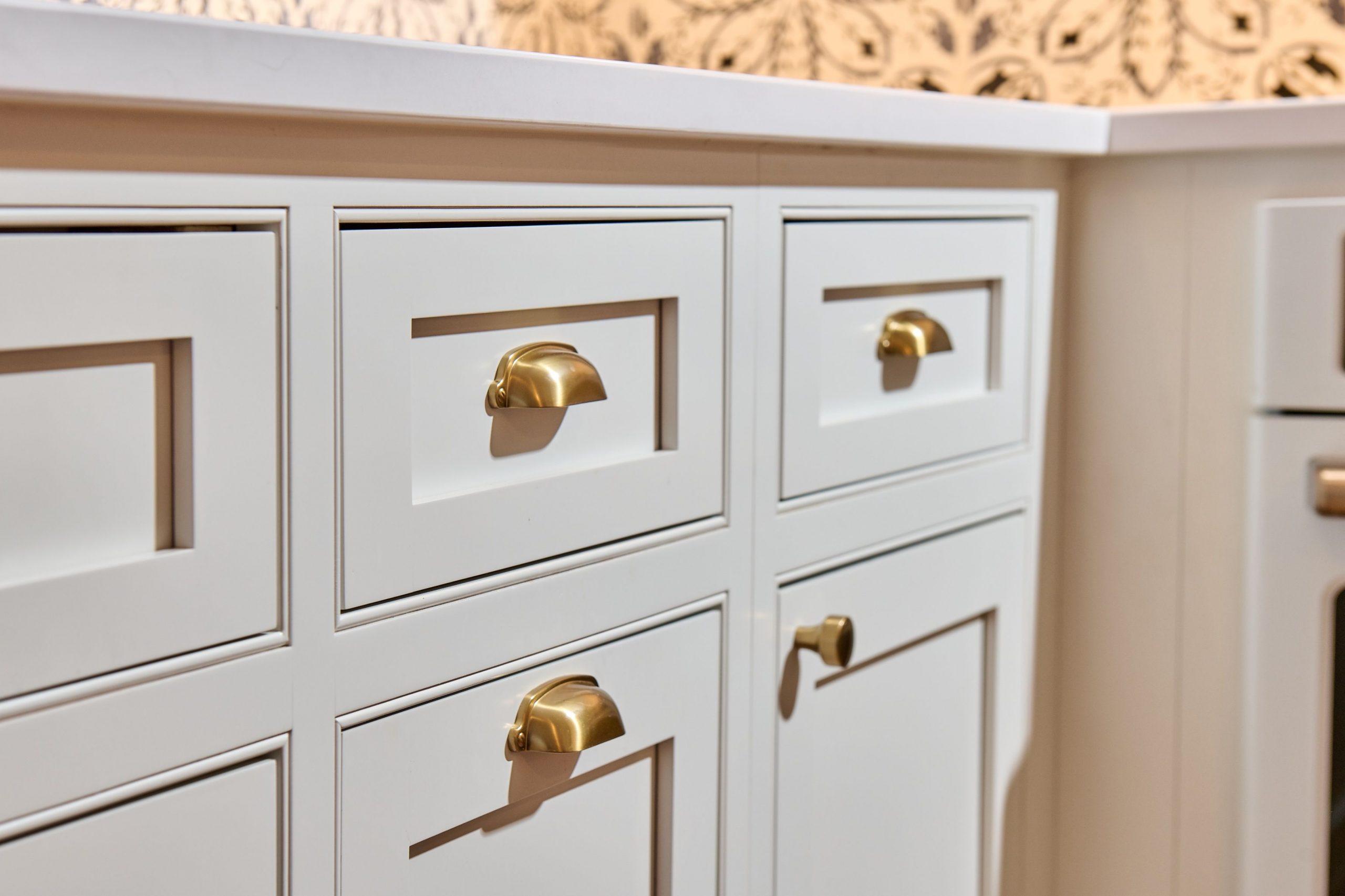
A framed cabinet has a face frame at the front of its box. With inset cabinetry, the doors and drawer fronts sit within the frame openings. Frameless cabinetry has no face frame; doors and drawer fronts typically overlay the cabinet-box edges. Framed cabinets can also have overlay doors, so “overlay” and “frameless” are not interchangeable terms.
Those differences affect the details we review: openings, reveals, fillers, end treatments, hinge arrangements, and usable clearances. A storage fitting or appliance solution that works in one construction may need a different approach in another.
We check the actual cabinet program and selected hardware instead of assuming every cabinet line follows the same rules. You can compare the visual directions in our Kitchen Design Studio.
3. Appliances, accessories, and custom pieces
Appliance model numbers connect the cabinetry to the equipment you will use. We compare the relevant manufacturer requirements with the design and flag questions about openings, panels, access, and clearances for resolution with the appropriate supplier or installer.
Custom pieces deserve particular attention. A decorative hood, for example, needs more than an attractive exterior. Its dimensions and construction must coordinate with the specified ventilation equipment and installation requirements. When a manufacturer requires a custom detail drawing, that drawing belongs in the approval process.
We also check the specified storage accessories against the actual cabinet interior. An accessory name alone may leave its size, quantity, configuration, or installation responsibility unclear.
4. The trim and finished edges that complete the room
Crown, fillers, finished panels, toe kicks, and other trim turn individual cabinet boxes into a composed kitchen. Similar names can describe different profiles, so we compare the ordered item with the intended detail.
We look at quantities in the context of the installation, including returns, cuts, and how pieces join. We also clarify which parts are factory installed, which arrive loose, and which must be supplied or completed in the field. That makes the handoff to the installer more useful.
5. Questions resolved in writing
A discrepancy is sometimes an error and sometimes a detail that needs explanation. We ask, document the answer, and make sure the relevant order notes or drawings reflect the resolution. A verbal “that should work” leaves too much open to interpretation.
Before release, the review brings together:
- The current drawings and cabinet schedule.
- Door style, construction, finish, and approved selections.
- Appliance information and required custom details.
- Accessories, trim, finished ends, and installation responsibilities.
- Written resolutions to outstanding questions and required approvals.
Order review and delivery inspection are separate checks
An ordering discrepancy, a manufacturing defect, shipping damage, and a missing package can all lead to follow-up work, but they have different causes. Reviewing an acknowledgment helps address specification and order-entry issues before production. It cannot prevent damage in transit or guarantee that every item will arrive together.
Before delivery, agree who will compare the shipment with its paperwork, inspect the products, document shortages or damage, and report concerns within the supplier’s required time frame. If a replacement is needed, confirm the next steps and consider how its arrival affects installation. Careful preparation includes a plan for resolving issues as well as checking the original order.
Where AI helps—and why experience still matters
AI can help compare documents, surface inconsistencies, and organize questions. Its usefulness depends on the information supplied and the judgment applied to its output. It can miss an issue or flag something that is correct.
Our design team connects those findings to the cabinet specifications, the intended result, and the practical installation. We make the final decisions and coordinate the necessary confirmations. A thorough order review reduces avoidable uncertainty; site verification and skilled installation remain essential.
That is part of the value of working with an experienced kitchen design and cabinetry team: attention to the details that help the finished kitchen deliver on the design.